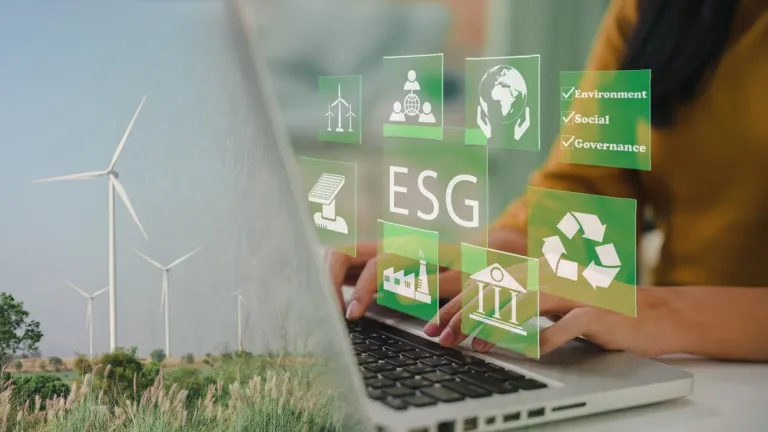
Building Green Cities with Climate Management: Key Strategies
Climate management helps cut the impact of climate change and build sustainable cities. See what a green city is, practical strategies and global examples.


With the issue of global climate change growing more urgent, the concept of the "green city" has become an important answer to the environmental challenges of urban life. A green city is an approach to urban development that aims to create a healthy, sustainable environment for residents by minimizing carbon emissions and using natural resources efficiently. In building a green city, climate management plays an important role, because it is an approach focused on managing greenhouse gas emissions and climate impacts in a comprehensive way.
This article covers the concept of the green city, why climate management matters for building sustainable cities, and the practical steps governments and communities can take to make it happen.
Contents
What Is a Green City?
A green city is a development approach that brings together environmental, social and economic concerns to create a city that is eco-friendly and comfortable to live in. A green city puts energy efficiency, waste management, carbon emission reduction and the use of renewable resources first. Its main goal is to create a high-quality living environment for people today without sacrificing the needs of future generations.
Some characteristics of a green city include:
- Use of renewable energy and energy efficiency.
- Plenty of green open space, such as city parks.
- Eco-friendly transportation such as public transit, bicycles and electric vehicles.
- Good waste management through recycling and waste reduction.
- Buildings with an environmentally friendly design, or green buildings.
By adopting the principles of a green city, city governments not only create a comfortable, healthy environment but also help reduce the negative impact on climate change.
The Role of Climate Management in a Green City
Climate management is an approach that aims to reduce the impact of climate change through planning and management of carbon emissions. In a green city, climate management works as a framework that helps governments and stakeholders assess, manage and reduce greenhouse gas emissions.
Why Is Climate Management Important in a Green City?
- Carbon Emission Reduction: Through climate management, a city can identify its biggest sources of emissions and apply effective reduction strategies. This includes monitoring emissions from transportation, buildings, industry and other sectors.
- Efficient Use of Resources: Climate management helps a city optimize its use of resources such as energy and water, which in turn lowers the burden on the environment.
- Disaster Risk Mitigation: Climate management also helps reduce the risk of climate-related disasters, such as floods or heat waves, through planning that focuses on sustainability and adaptation.
Strategies for Building a Green City with Climate Management
Building a green city takes collaboration among the government, the community and the private sector. Here are some of the main strategies for building a green city through climate management:
A. Using Renewable Energy
Renewable energy sources, such as solar, wind and hydro power, are essential for cutting a city's carbon emissions. Green cities use these technologies to supply clean electricity to their residents. For example, solar panels can be installed on office buildings and public facilities to reduce dependence on fossil fuels.
B. Eco-Friendly Transportation
The transportation sector is one of the main contributors to carbon emissions. To reduce these emissions, city governments can add more pedestrian and bicycle paths and provide efficient, eco-friendly public transportation. Using electric vehicles for public transport can also cut greenhouse gas emissions from transportation.
C. Building Green Buildings
A green building is a building designed to minimize negative effects on the environment. It optimizes the use of energy, water and eco-friendly building materials. By applying green building standards, a city can cut carbon emissions from the property sector and create healthier spaces for people.
D. Waste Management and Recycling
Efficient waste management is an important part of climate management. Green cities run recycling and waste management programs to reduce the amount of waste that ends up in landfills. Some cities even generate energy from waste processing, known as waste-to-energy, to help meet energy needs.
E. Developing Green Open Space
Green open spaces, such as city parks and green belts, act as the lungs of the city, helping absorb carbon dioxide and reduce air pollution. Besides the environmental benefits, green space also improves residents' quality of life and provides places for recreation. A green city should make sure that at least 30% of its area is set aside for green open space.
F. Public Education and Awareness
It is important for people to understand their role in protecting the city's environment. By educating residents about the importance of climate management and sustainability, a green city can build a community that cares more about the environment. This includes encouraging people to save energy, use motor vehicles less and take part in recycling programs.
Green City Case Studies Around the World
Several cities around the world have successfully applied green city principles and have become examples of successful climate management. Here are a few:
A. Copenhagen, Denmark
Copenhagen is one of the cities in the world committed to becoming carbon neutral by 2025. The city has put in place a range of initiatives, including making the bicycle a main mode of transportation, investing in renewable energy and constructing green buildings. Copenhagen's climate management efforts have cut carbon emissions significantly.
B. Singapore
Singapore is known for its parks and green spaces spread across the city. It has a Garden City program that aims to provide abundant green open space for its residents. Singapore also has strict standards for green buildings and runs an efficient recycling program.
C. San Francisco, United States
San Francisco is a city that strongly supports environmental sustainability. It applies good waste management policies, promotes public transportation and has ambitious carbon emission reduction targets. San Francisco also uses renewable energy to help meet the city's electricity needs.
Challenges in Building a Green City
Although the green city concept brings many benefits, there are several challenges in putting it into practice:
- High Investment Costs: Green infrastructure, such as solar panels or green buildings, requires a high initial investment.
- Limited Space for Green Areas: In dense cities, space for green areas can be very limited.
- Resistance from the Public: Not everyone understands the importance of climate management, and some may be reluctant to switch to more eco-friendly habits.
Still, with strong commitment from the government and support from the community, these challenges can be overcome.
Long-Term Benefits of a Green City
Building a green city has many long-term benefits, including:
- Better Air Quality: With lower carbon emissions, a city's air quality improves, which has a positive effect on residents' health.
- Lower Energy Costs: Using renewable energy can bring energy costs down over the long term.
- Reduced Climate Disaster Risk: Green cities are more resilient to the effects of climate change, such as floods or heat waves.
- A Healthy, Comfortable Environment: Green space and a pollution-free environment make a city comfortable to live in.
Conclusion
Building a green city through climate management is an important investment in a sustainable future. By adopting green technology, improving energy efficiency and managing carbon emissions, cities can create a healthy, welcoming environment for their residents. Community support, technological innovation and government commitment are the main keys to making green cities that can meet the challenges of global climate change.
Let us all take part by adopting eco-friendly habits in daily life and supporting government programs to create a greener, more sustainable future.