
How to Raise Chickens Without Bad Smells and Mess in the Coop
Smelly coops are a common chicken farming problem. Learn how to reduce chicken coop odor with regular cleaning, a dry coop, disinfectant and probiotics.

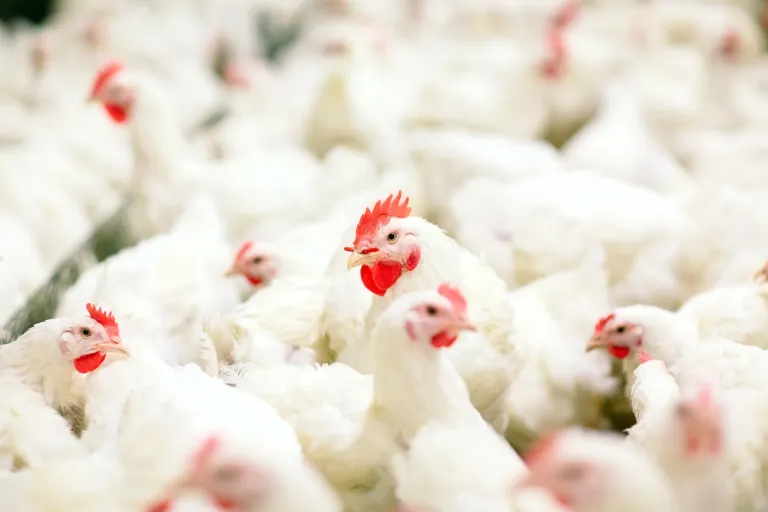
Chicken farming promises attractive profits, but it can also lose money if the proper procedures are not followed. One common problem is the surroundings, which people always see as smelly and dirty. So what is the solution?
Keep the Coop Clean
Coop cleanliness is the main factor to focus on if you want to get rid of the smell and mess of raising chickens. Coops are generally cleaned every morning and evening. What gets cleaned out are the droppings and leftover feed inside the coop, which must be disposed of in a place far from the coop and from the community. Piled-up waste risks bringing in harmful diseases.
A clean coop keeps chickens healthier and helps them grow quickly. Faster growth means an earlier harvest and a quick return on your investment. Regular coop cleaning brings plenty of good results. Chickens stay healthy, are of better quality and, of course, are free from poultry diseases. The surrounding area also avoids the reputation of being smelly and dirty, so raising chickens can become an enjoyable job that also brings attractive profits.
Keep the Coop Dry
Note that a dry coop is a must for keeping it clean. The smell from a coop is usually caused by droppings mixing with damp conditions inside, whether from the droppings themselves, spilled drinking water or rain. A damp coop often triggers diseases that make chickens sick and even kill them.
When building a coop, also pay attention to how high or low it sits so that rainwater stays out. A damp coop is often the trigger for viruses that can attack the flock at any time. Air flow in and out of the coop must also be considered to keep it dry and fresh. Ventilation is very important here because it reduces stress on the chickens during the day. Stress in chickens triggers hormones that make them produce very smelly droppings.
Spray Disinfectant Regularly
Next, to get rid of the smell in the coop and make the environment healthier, spray disinfectant regularly. Besides removing the foul smell, disinfectant sterilizes the coop against any viruses or bacteria that could harm the chickens. A good interval for spraying is anywhere from every 2 weeks to every 3 months, depending on the disinfectant solution used, since each one lasts for a different length of time. It is a good idea to spray more often in the rainy season because chickens are prone to disease then.
Use Protein-Breaking Probiotics
Probiotics contain good bacteria that break down protein faster, so the chickens' digestion works more effectively. Because they absorb more nutrients from their feed, the chickens grow quickly and produce less waste. Many probiotics are sold at specialty stores for raising chickens, so they are not hard to find.
Probiotics, or substances that can break down more complex proteins, can also be found in some natural ingredients made into traditional herbal drinks (jamu), one of which is turmeric. Turmeric is known to be very good for digestion and for boosting appetite. The probiotic content in it encourages chickens to eat more than they drink. Keep in mind that eating more than drinking produces firmer, odorless droppings. That is why some chicken farmers limit the drinking water supply: too much water makes the droppings wet and watery, which are hard to clean and smell much stronger. Farmers often avoid an oversupply of water for this reason.