Dark Fiber in Networking: Benefits, Challenges and Uses
With dark fiber, no data shares a path with other tenants, so the risk of intrusion or data interference is very low. See how it works and its uses.

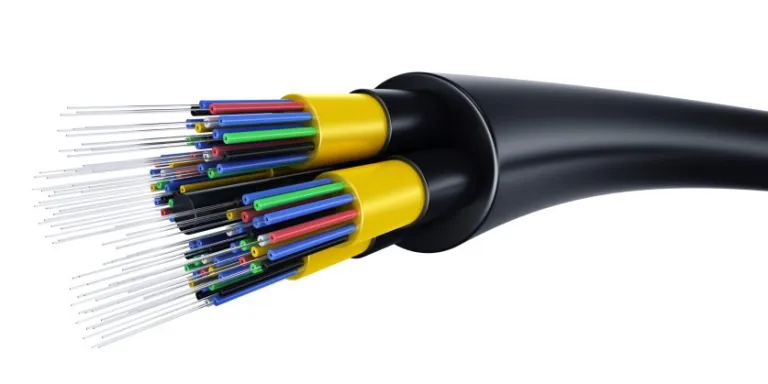
Behind the global internet we use every day sits a very complex infrastructure, including optical fiber that carries data at the speed of light. But one part of this fiber infrastructure is underused. It is known as "Dark Fiber", or unlit optical fiber.
In this article, we will look at what dark fiber is, why it matters, how it works, and the big potential it holds to change telecommunications networks around the world.
Contents
What Is Dark Fiber?
Dark fiber is optical fiber that has been installed but is not yet fully used by a telecommunications provider. The term "dark" refers to the fact that the fiber is not currently carrying data, so it is "dark" like a space not yet lit by optical signals. Dark fiber has been buried underground or installed in network infrastructure, but its capacity is not fully used.
Why Does Dark Fiber Matter?
Dark fiber has several advantages that matter a great deal in telecommunications, including:
- High potential: Dark fiber offers great potential to increase network capacity and to improve the speed and quality of telecommunications services.
- Scalability: It lets telecom providers add capacity quickly as demand grows, without having to lay more optical fiber.
- Security: Unused dark fiber has no data running over it, which makes it safer from cyberattacks and illegal surveillance.
- Cost efficiency: Using dark fiber that is already in place is often more economical than adding new infrastructure.
How Does Dark Fiber Work?
Dark fiber works in a similar way to active optical fiber. Optical fiber sends data as light that is switched on and off. Dark fiber, however, is not used to send data, which is what makes it "dark." This may be because the fiber was installed with a maximum capacity larger than what was actually needed at the time, or because it was laid as a backup or for future expansion.
Even while the fiber is in its "dark" state, telecom providers can activate it at any time to send data by installing equipment at both ends of the fiber. This can be a switch, a router, or another device used to send and receive optical signals.
Potential Benefits of Dark Fiber
Dark fiber offers several significant potential benefits:
- Greater capacity: Lighting up dark fiber increases network capacity, which is essential in the face of growing data traffic.
- Higher speed and service quality: With more capacity available, telecom providers can give their customers faster, higher-quality service.
- Easy scalability: Dark fiber lets providers expand their networks quickly and at lower cost.
- Greater control: Lighting up dark fiber gives providers more control over their network infrastructure, so they can plan and manage their networks better.
READ ALSO: The Difference Between Dedicated Internet and Broadband Internet
Challenges in Using Dark Fiber
Although dark fiber holds a lot of potential, there are several challenges to overcome:
- Implementation cost: Lighting up dark fiber requires investment in hardware and equipment at both ends of the fiber, which can be expensive.
- Proper management: Dark fiber must be managed well to make sure it is used efficiently.
- Business interests: Not every telecom provider is interested in lighting up dark fiber, especially if they have already invested in new infrastructure.
- Security and privacy: Lighting up dark fiber raises security and privacy concerns, because data now passes through fiber that was previously "dark."
Dark Fiber Use Cases
Dark fiber has been used in many ways, including:
- Telecom providers: Many telecom providers have lit up dark fiber to increase their network capacity and give customers faster service.
- University campuses: Universities and colleges have used dark fiber to connect their various buildings and campus locations.
- Data centers: Data centers use dark fiber to improve connectivity between their facilities and their customers.
- Internet service providers: Some internet service providers use dark fiber to offer high-speed internet access.
The Future of Dark Fiber
The future of dark fiber looks bright, with data traffic growing steadily and demand for faster connectivity rising. As technologies such as 5G and the Internet of Things (IoT) become more dominant, dark fiber will be a valuable asset for meeting ever-growing connectivity needs.
Conclusion
Dark fiber is a valuable asset in telecommunications networking that has not yet been fully used. With its potential to improve capacity, speed and service quality, dark fiber has a major impact on the telecommunications industry.
Although there are challenges in lighting it up, its potential benefits make it a key element in meeting connectivity needs that keep growing in an increasingly connected world.