Metro Ethernet Access Services: Benefits and Challenges
Metro Ethernet Access Services link sites across a city over fiber. See how MEAS works, its benefits, the rollout challenges and future trends.


Contents
As the digital era keeps advancing, demand for fast, reliable and efficient connectivity keeps growing. Metro Ethernet Access Services (MEAS) have become a leading solution to this need in cities around the world. MEAS provides an Ethernet network extended across a metropolitan area, so companies, government agencies and individual users can connect at high speed and low latency. This article covers what Metro Ethernet Access Services are, how they work, their benefits and the challenges that come with putting them in place.
What Are Metro Ethernet Access Services?
Metro Ethernet Access Services are network services that provide Ethernet connectivity across a metropolitan area. MEAS links different locations within a city or a larger region using the same Ethernet technology that local area networks (LANs) use. The service allows high-speed data transfer between different sites, such as head offices and branches, data centers and customer sites.
How Metro Ethernet Access Services Work
MEAS uses Ethernet technology to provide efficient, flexible network connectivity. These are the main components of how MEAS works:
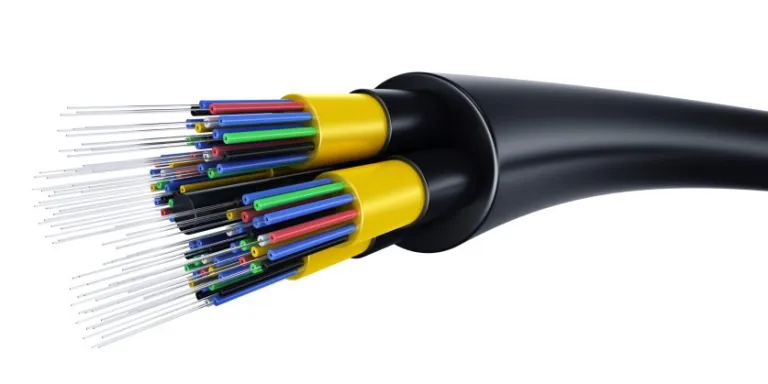
- Metro Ethernet network: This is the network that covers the metropolitan area and connects the nodes spread across the city. It uses fiber optic infrastructure to ensure high speed and capacity.
- Ethernet switches: Ethernet switches direct data traffic between the different locations on the Metro Ethernet network. These switches support several types of service, including Ethernet Private Line (EPL), Ethernet Virtual Private Line (EVPL) and Ethernet LAN (E-LAN).
- Customer Premises Equipment (CPE): CPE is the equipment installed at the customer's location to connect their local area network (LAN) to the Metro Ethernet network. CPE is usually an Ethernet switch or router that supports a range of ports and speeds.
- Virtual LAN (VLAN): VLANs segment data traffic within the Metro Ethernet network, ensuring security and isolation between different users or services.
Benefits of Metro Ethernet Access Services
MEAS offers several benefits for companies and organizations that need reliable, efficient connectivity. These are the main benefits of MEAS:
1. High Speed and Capacity
Metro Ethernet delivers very high data transfer speeds, from 10 Mbps up to 100 Gbps, depending on what the user needs. This allows fast, efficient data transfer between different locations, which is essential for business applications that need a lot of bandwidth, such as video conferencing, data backup and cloud-based applications.
2. Scalability
MEAS is highly scalable, so companies can adjust their network capacity to what they need. Users can easily raise or lower their bandwidth without replacing any physical infrastructure, simply by reconfiguring their service.
3. Flexibility
MEAS offers flexibility in both network topology and service type. Users can choose from several types of service, such as Ethernet Private Line (EPL) for point-to-point connectivity, Ethernet Virtual Private Line (EVPL) for point-to-multipoint connectivity and Ethernet LAN (E-LAN) for any-to-any connectivity.
4. Cost Efficiency
Compared with traditional network solutions such as leased lines or MPLS, MEAS is often more cost efficient. The Ethernet technology used in MEAS is easier to implement and manage, which can lower operating and maintenance costs.
5. Quality of Service (QoS)
MEAS supports several levels of Quality of Service (QoS), so users can prioritize their data traffic according to business needs. This matters most for applications that need low latency and high throughput, such as VoIP, video conferencing and other real-time applications.
Challenges in Implementing Metro Ethernet Access Services
Although MEAS offers many benefits, there are several challenges to deal with when putting it in place:
1. Infrastructure
Building and maintaining a Metro Ethernet network infrastructure takes significant investment. That includes laying fiber optic cable, installing Ethernet switches and other hardware. The cost can be a barrier for service providers and end users alike.
2. Security
Although MEAS provides reliable, fast connectivity, security remains a major concern. Users need to make sure their networks are protected from threats such as DDoS attacks, hacking and data interception. That calls for strict security measures, including data encryption and the use of firewalls.
3. Network Management Complexity
Managing a large, complex Metro Ethernet network takes a high level of technical skill. Service providers and end users need trained, experienced staff to run their networks efficiently, solve technical problems and keep service availability high.
4. Interoperability
MEAS must work smoothly alongside other networks and technologies that may already be in place. This interoperability requires the right standards and protocols so that all network components can communicate properly.
The Future of Metro Ethernet Access Services
The future of MEAS looks bright, thanks to a range of technology innovations and growing demand for better connectivity. Several trends are expected to shape how MEAS develops:
1. 5G and the Internet of Things (IoT)
The arrival of 5G networks and a growing number of IoT devices will raise demand for fast, reliable connectivity. MEAS will play an important role in providing network backhaul to support 5G and IoT applications, which need large bandwidth and low latency.
2. Edge Computing
Edge computing, which moves data processing closer to where the data is generated, will keep growing. MEAS can support edge computing by providing fast, efficient connectivity between edge locations and data centers.
3. Network Virtualization
Network virtualization lets service providers create more flexible, customizable networks. With virtualization, providers can offer MEAS services that are more dynamic and respond better to users' changing needs.
Conclusion
Metro Ethernet Access Services have become a leading solution for fast, reliable and efficient connectivity in metropolitan areas. With benefits such as high speed, scalability, flexibility, cost efficiency and quality of service, MEAS plays an important role in supporting modern business needs. Although implementation brings some challenges, technology innovation and future trends such as 5G, IoT, edge computing and network virtualization will keep driving the development of MEAS. As a result, MEAS will remain a critical component of global network infrastructure, connecting cities with the best connectivity and supporting economic growth in the digital era.