Condenser vs Dynamic Mic: 3 Differences You Should Know
Condenser vs dynamic mic: see how the two microphone types differ in physical build, how they work and the sound quality each one produces for you.

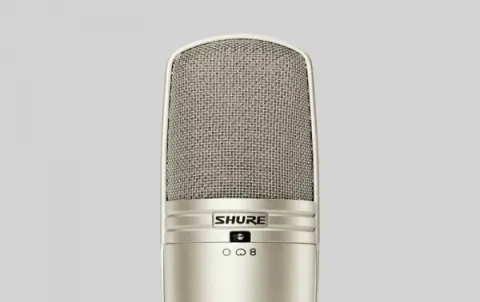
If you are new to audio gear, you may get confused when someone asks about dynamic mics and condenser microphones. What actually sets the two apart? Both microphones do the same basic job of picking up sound. Still, several things set them apart, from their physical build to the quality of the sound they produce. Here are some differences between a top condenser mic and a dynamic mic that you should know.
3 Differences Between Dynamic and Condenser Microphones

- Physical Differences
The first difference shows in their physical shape. A standard microphone is larger, while a condenser microphone looks smaller and lighter. That said, some condenser microphones are fairly large. A dynamic microphone is also heavier than a condenser. It is no surprise, then, that condenser microphones have recently become more common, both in hotels and for recording.
- Technical Differences
Next, you can look at how the two differ technically. A condenser microphone contains two plates that act as a diaphragm, picking up vibrations from outside. By the way it works, this type of microphone cannot operate without voltage. It also has positive and negative polarity, so it has to be connected to a direct current supply voltage. This type of microphone also needs an additional op-amp circuit.
Unlike a top condenser mic, a dynamic microphone is large and has a coil and a magnet inside. Its diaphragm is made of a thin plastic that moves the coil. In fact, a dynamic mic works almost like a speaker. The difference is that a speaker takes voltage and turns it into sound vibrations, whereas a dynamic microphone does the opposite and turns vibrations into electrical voltage.
- Sound Quality
A dynamic mic needs strong vibrations to produce a voltage. This is because the sound it picks up has to be loud enough to deliver the output you want. The sound that comes out also tends to be medium bass. A condenser mic, by contrast, is more sensitive and can produce a stronger sound. Even the best condenser mics can produce excellent sound when the sound source is not very close.
Those are some of the differences between the two microphones. In terms of use, a condenser microphone needs a voltage supply. In terms of sound quality, though, it is fair to say this mic comes out ahead. It captures sound well, so the sound it delivers is clearer and smoother. This mic is also very good at minimizing lost sound and creating a stronger, more accurate sound.