Indonesia's Policies to Curb Misuse of Subsidized 3kg LPG
How is the government curbing misuse of subsidized 3kg LPG? See NIK registration, purchase limits, official outlets, penalties and digital monitoring.

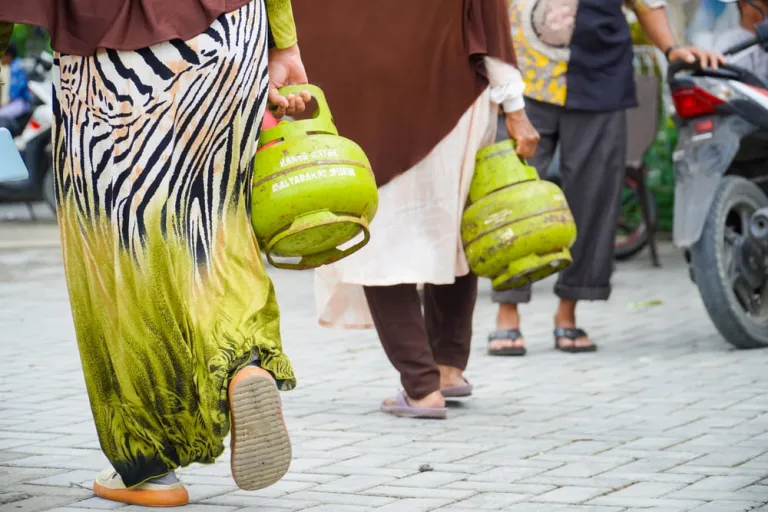
3kg LPG gas is a form of government subsidy given to low-income households and micro business owners in Indonesia. In practice, however, misuse by ineligible parties is widespread, including well-off households and large businesses. This misuse causes uneven distribution, price spikes in some regions and a growing subsidy burden for the state. To address the problem, the government has introduced a range of policies to make sure 3kg LPG is used only by those who are truly entitled to it.
Contents
Causes of 3kg LPG Misuse
Before looking at the policies in place, it helps to understand what causes the misuse of subsidized 3kg LPG:
- Weak Oversight: Until now, distribution of 3kg LPG has been open, so well-off households and large businesses can buy it easily.
- A Big Price Gap: Subsidized 3kg LPG is far cheaper than non-subsidized LPG (Bright Gas 5.5kg or 12kg), so many people are tempted to use it even though they are not entitled to it.
- Sales by Unofficial Retailers: Many illegal retailers sell 3kg LPG above the highest retail price (HET, the government-set price ceiling), which causes shortages at official outlets.
- Hoarding by Irresponsible Individuals: Some parties buy 3kg LPG in large quantities to resell at higher prices.
Government Policies to Tackle 3kg LPG Misuse
To make sure the 3kg LPG subsidy reaches its target, the government has introduced stricter and more systematic policies.
1. User Registration With NIK and KK
One of the main policies is a registration system for subsidized 3kg LPG users based on the Population Identification Number (NIK) and the Family Card (KK). Under this system:
- People who want to buy 3kg LPG must be registered in the government database.
- Only qualifying poor households and micro businesses are allowed to buy subsidized gas.
- User data is synchronized with the Ministry of Social Affairs and related agencies to keep the subsidy on target.
2. Limits on Monthly Purchases
To prevent misuse by well-off households and large businesses, the government limits how much 3kg LPG can be bought:
- Poor households are allowed to buy a maximum of 3 cylinders per month.
- Registered micro businesses can buy more, but still within a reasonable amount for their needs.
- Users who exceed their set quota must switch to non-subsidized LPG.
3. Distribution of 3kg LPG Only Through Official Outlets
The government is tightening distribution so that 3kg LPG is available only at official outlets (pangkalan). Under this policy:
- Retailers may not sell 3kg LPG freely.
- Purchases can only be made at registered official outlets.
- The price of 3kg LPG must follow the highest retail price (HET) set in each region.
4. Strict Sanctions for Misusers and Illegal Sellers
To curb misuse, the government imposes sanctions on those who break these rules:
- Agents or outlets that sell 3kg LPG to ineligible groups can face fines up to revocation of their business license.
- Illegal retailers who keep selling 3kg LPG can face legal action under the applicable regulations.
- Households or businesses proven to have misused 3kg LPG can have their right to the subsidy revoked.
5. Digital Technology for Monitoring
The government has also begun using technology-based systems to monitor 3kg LPG distribution:
- Digital Apps: Some regions have begun using digital apps to record 3kg LPG purchase transactions.
- QR Codes: A QR code system allows purchases only by registered users, which reduces the risk of misuse.
- Integration With the Financial System: Payment by e-wallet or other digital systems allows transactions to be recorded more transparently.
Impact of the Policy on the Public
Positive Impacts:
- Subsidies That Reach the Right People: With a registration system and strict oversight, the subsidy is enjoyed only by poor households and micro businesses.
- Stable Prices and Even Supply: With tighter control over distribution, 3kg LPG prices will be more stable and supply will no longer be disrupted by hoarding or misuse.
- Preventing Use by Industry and Well-Off Households: People with greater economic means must switch to non-subsidized LPG, so they no longer cut into the share for those who need it.
Negative Impacts and Challenges:
- Adapting to the New System: Some people may struggle with registration or purchasing, especially in remote areas.
- Misuse by Individuals Still Trying to Break the Rules: Even with strict regulations, loopholes may remain that irresponsible parties can exploit.
- Field Oversight That Still Needs Improvement: The government needs to make sure oversight is thorough and that no violations slip through monitoring.
Further Efforts to Maximize the Policy's Effectiveness
For the policy to succeed fully, several additional steps could be taken:
- Wider Public Outreach: The government needs to keep educating the public about the new rules to avoid confusion.
- Better Digital Infrastructure: The government needs to make sure the technology used for 3kg LPG distribution and registration is accessible to everyone, including people in remote areas.
- Collaboration With Law Enforcement: To ensure compliance with the regulations, cooperation with law enforcement needs to be strengthened so violations can be acted on.
Conclusion
The government has introduced a range of policies to reduce misuse of subsidized 3kg LPG and make sure the subsidy reaches its target. With a NIK-based registration system, limits on purchase quantities, tight oversight of distribution and strict sanctions for violators, the subsidy is expected to genuinely help the people who need it.
Challenges in implementation remain, however, so oversight and cooperation among the government, the public and businesses are needed for the policy to work effectively. With the right steps and public support, misuse of 3kg LPG can be minimized, so that those who need the subsidy actually feel its benefit.