
Strategic Intelligence Agency: Its Role Against Global Threats
A strategic intelligence agency protects national security by identifying global threats, analyzing intelligence and shaping defense strategy.

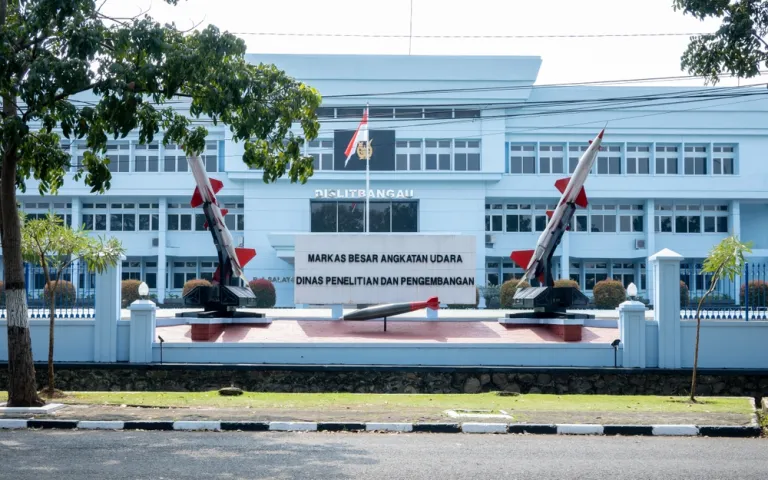
The Strategic Intelligence Agency (BIS, from the Indonesian Badan Intelijen Strategis) plays a crucial role in protecting a country's security and stability, especially against global threats. In an era full of uncertainty, BIS serves as the front line in identifying, analyzing and responding to the many threats that can endanger the state. Here are the key points about BIS's role in facing global threats:
- Identifying and Analyzing Global Threats: BIS is tasked with identifying global threats that can affect national security, including terrorism, espionage and cyberattacks.
- International Collaboration: BIS works with the intelligence agencies of other countries to share information and counter threats that cross national borders.
- Drafting National Security Strategy: BIS provides the intelligence data needed to shape the country's defense policy and strategy against global threats.
- A Role in Cybersecurity: BIS also helps protect critical infrastructure from increasingly complex cyberattacks.
The Strategic Intelligence Agency (BIS) is an institution with a central role in protecting national sovereignty, especially against threats from both outside and inside the country. With threats growing more varied and complex, BIS in Indonesia faces a major challenge in continually updating its methods and technology for managing intelligence. Through its strategic intelligence function, BIS can provide accurate analysis and much-needed information to policymakers in defense, the economy and diplomacy.
Contents
Identifying and Analyzing Global Threats
One of BIS's main roles is to identify and analyze threats that can affect national stability. These threats do not only come as physical attacks. They also include increasingly complex non-traditional threats, such as cyberattacks, radicalization and the spread of extremist ideology. In Indonesia, one global threat of major concern is terrorism. According to the head of the National Counterterrorism Agency (BNPT), "the threat of terrorism is no longer limited to local attacks, but is also part of a transnational threat that requires global cooperation" (Kompas, 2022).
BIS is tasked with collecting data on these threats, from both domestic and international sources. Through monitoring and analysis, BIS can forecast potential threats and give strategic recommendations for mitigating those risks. The process involves a range of advanced technologies, such as monitoring digital communications, observing the movements of certain individuals and groups, and analyzing political and social developments in countries that could become sources of threats.
International Collaboration in Facing Global Threats
Global threats often do not respect national borders, so international collaboration is essential in dealing with them. BIS builds relationships with the intelligence agencies of other countries, such as the Central Intelligence Agency (CIA) of the United States, the United Kingdom's MI6, and the intelligence agencies of other friendly nations. This cooperation allows the exchange of information that is important in countering threats that cross borders, such as international terrorism, drug trafficking and human trafficking.
BIS also takes part in various international forums that discuss global security issues. By sharing information and strategies with other countries, BIS can help improve global security as a whole. For example, through cooperation with the intelligence agencies of ASEAN countries, BIS can identify and respond to threats that emerge in the Southeast Asian region, whether domestic or global in nature.
Drafting National Security Strategy
BIS does not focus only on gathering information. It also helps draft national security strategy. In an increasingly uncertain global situation, the information BIS gathers becomes the basis for government decision making. These decisions cover defense, diplomacy and economic policy, all designed to keep Indonesia safe and stable amid rapid global change.
For example, when tensions rose in the South China Sea, BIS provided analysis of the evolving situation and gave strategic recommendations on the steps Indonesia should take to protect the sovereignty of its maritime territory. With accurate intelligence data, the government can make better-informed decisions on foreign and defense policy, including forming alliances with friendly countries that share an interest in keeping the region stable.
READ ALSO: True Stories of Historical Figures the Public Rarely Hears About
BIS's Role in Cybersecurity
In this digital era, cyber threats are one of the biggest challenges facing countries around the world. Cyberattacks can damage critical infrastructure, steal sensitive data and disrupt economic and political stability. BIS therefore has an important role in protecting Indonesia from global cyber threats.
In this area, BIS works with related institutions, such as the National Cyber and Crypto Agency (BSSN), to strengthen the country's cyber defense. BIS also helps identify potential cyber threats that could endanger vital sectors such as energy, communications and finance. By improving its ability to detect and respond to cyber threats, BIS makes sure that Indonesia can defend its sovereignty in cyberspace.
Facing Threats to the Economy and Energy Security
Threats to the economy and the energy sector are also a major concern for BIS. As a country with abundant natural resources, Indonesia is highly vulnerable to threats that could shake the energy sector and the economy. These threats can take the form of sabotage of energy infrastructure, plundering of natural resources, or even manipulation of global markets that can affect economic stability.
BIS helps identify potential threats to these sectors and gives recommendations on the mitigation steps that need to be taken. For example, BIS can provide analysis of potential sabotage of energy infrastructure in vulnerable areas, and monitor for groups or individuals who may be trying to exploit Indonesia's natural resources illegally.
Conclusion
The Strategic Intelligence Agency plays a very important role in facing global threats. Here are some key points that can be drawn:
- Identifying and Analyzing Global Threats: BIS is tasked with identifying threats that can affect national security and providing the necessary analysis.
- International Collaboration: Cooperation with the intelligence agencies of other countries is essential in facing transnational threats such as terrorism and human trafficking.
- Drafting National Security Strategy: BIS provides the intelligence needed to shape the country's defense and diplomatic policy.
- A Role in Cybersecurity: Given the importance of cyber security, BIS helps protect critical infrastructure from cyber threats.
- Facing Economic and Energy Threats: BIS is also involved in protecting Indonesia's economic and energy sectors from global threats.
With such a strategic role, BIS remains a vital institution for protecting Indonesia's sovereignty and stability, at both the national and global level.